Schneider Electric Controller About
Short Description
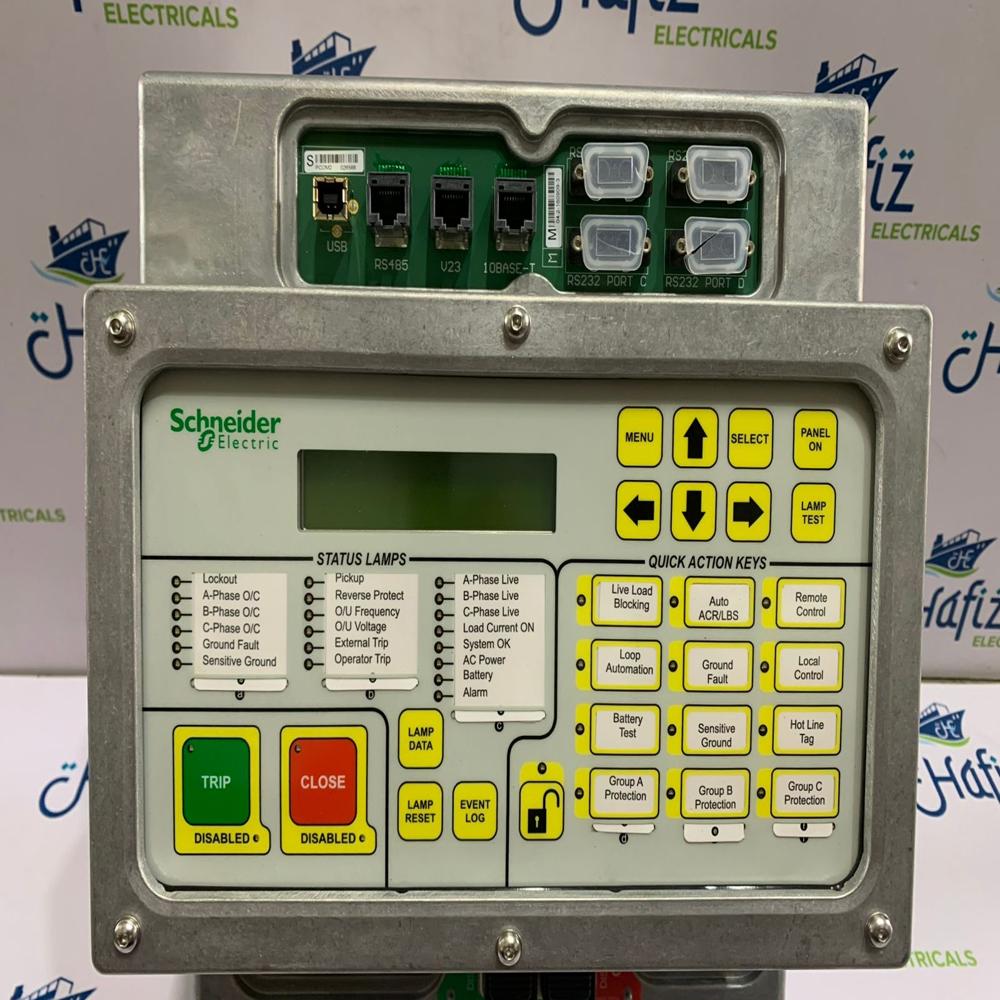
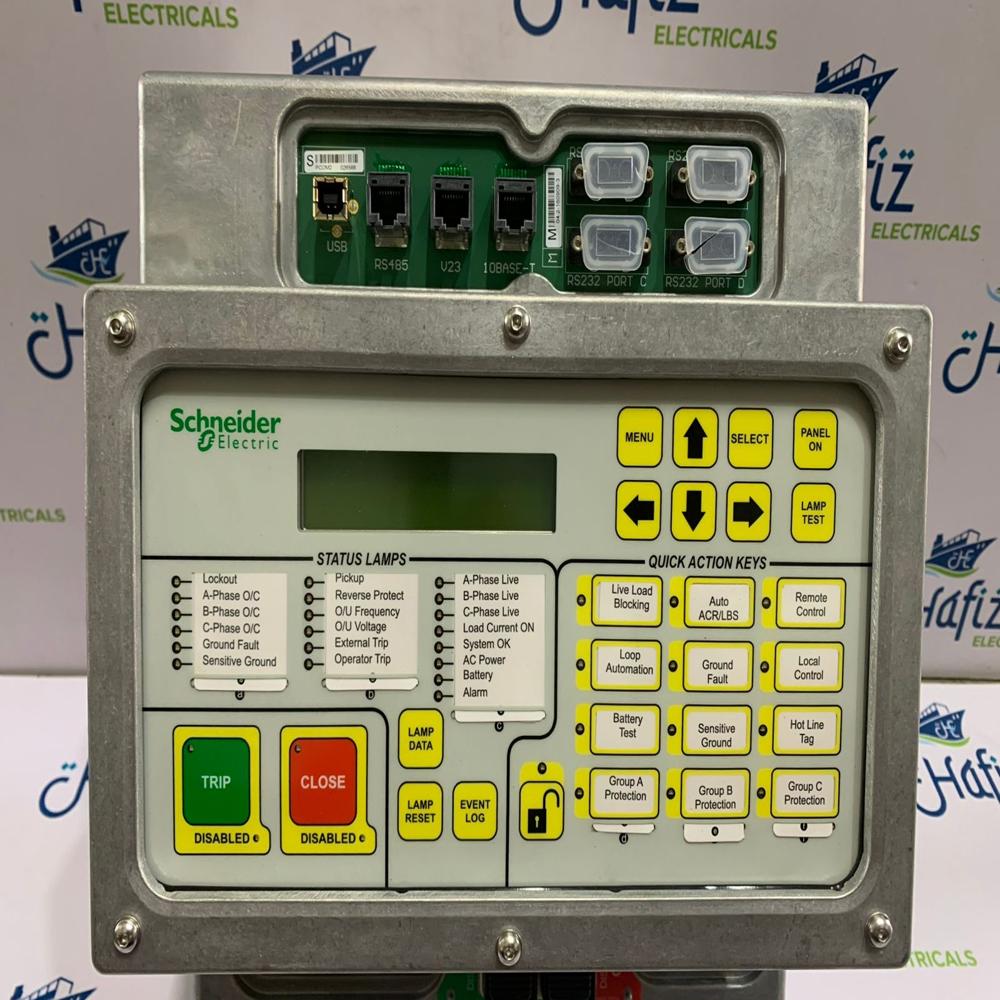
Schneider Electric Controllers are advanced automation devices designed to monitor, control, and optimize industrial processes and electrical systems. These controllers ensure high performance, energy efficiency, safety, and reliable operation in industrial and commercial applications.
Specifications (General)
-
Type: PLC / Process Controller / Motor Controller
-
Input Voltage: 24V DC / 110240V AC (model dependent)
-
Communication Protocols: Modbus, Ethernet, CANopen
-
I/O Ports: Digital & Analog Inputs/Outputs
-
Display: LCD / LED (in selected models)
-
Operating Temperature: -10C to +60C
-
Mounting Type: DIN Rail / Panel Mount
-
Protection Rating: IP20 / IP65 (model dependent)
-
Application: Industrial automation, HVAC systems, motor control, power management
Adaptable Control SolutionsThe Schneider LC1D Series delivers precise automation for a wide range of industrial processes, supporting both PID and ON-OFF control methods. It accommodates standard panel or DIN rail mounting, making it suitable for OEM panels, automation systems, and HVAC installations. The controller is engineered for reliable performance, even in demanding environments, due to its robust construction and wide operating temperature range.
Comprehensive Connectivity and ConfigurationFeaturing RS485 and optional Ethernet ports, the controller integrates seamlessly into modern industrial networks. Its compatibility with Modbus protocol streamlines communication with other devices, while digital/analog inputs and outputs allow flexible adaptation. Configuration is straightforward, supported by Auto/Manual modes and programmable setpoints, ensuring operational efficiency and easy maintenance.
Enhanced Safety and DurabilityDesigned with built-in overload and short-circuit protection, this controller ensures safe operation in industrial settings. Constructed from high-grade ABS/polycarbonate, it boasts an IP20 protection rating and resists challenging conditions. The display options and intuitive configuration support further enhance usability and long-term reliability.
FAQ's of Schneider Electric Controller:
Q: How can the Schneider LC1D Series controller be integrated into existing industrial systems?
A: The controller can be easily integrated via its RS485 or optional Ethernet ports, utilizing the Modbus protocol to communicate with other automation equipment. Its universal digital/analog input capability and multiple output options allow seamless adaptation to various system architectures.
Q: What types of industrial applications are most suitable for the Schneider LC1D Series?
A: This controller is ideal for industrial process control, HVAC systems, automation panels, data logging, and OEM machine applications due to its programmable functions and robust design.
Q: When should I choose PID control versus ON-OFF control on this controller?
A: PID control is recommended for processes requiring precise, continuous adjustment, while ON-OFF control is suited for applications where a simple binary response is sufficient. You can select the control method based on your specific process requirements.
Q: Where can the controller be installed within an industrial setup?
A: The LC1D Series supports both panel and DIN rail mounting, enabling flexible installation in control cabinets, automation panels, or machinery enclosures, as required by your application.
Q: What is the process for configuring and setting up the controller?
A: Configuration is performed using the intuitive interface, which allows users to set programmable ranges, control modes (Auto/Manual), alarm functions, and setpoints. The device's display (LED, LCD, or 7-segment) provides clear feedback throughout setup.
Q: What benefits does the Schneider LC1D Series offer for process control?
A: Key benefits include precise measurement accuracy (0.5% F.S.), rapid response time (<250 ms), versatile input/output options, reliable overload protection, and compatibility with industry-standard communication protocols, resulting in efficient and safe operations.
Q: How does the controller ensure operational safety and durability in harsh environments?
A: The controller is built with overload and short circuit protection, a durable ABS/polycarbonate body, and can operate in wide humidity and temperature ranges with IP20 protection, ensuring dependable performance in challenging industrial conditions.







 Send Inquiry

 Send Inquiry
 Send Inquiry
 Send SMS